Heating
Radiators Cold at the Bottom? You Probably Need a Powerflush
8 November 2025 · 4 min read
Sludge is the silent killer of heating systems. Here's how to spot it and what a proper flush involves.
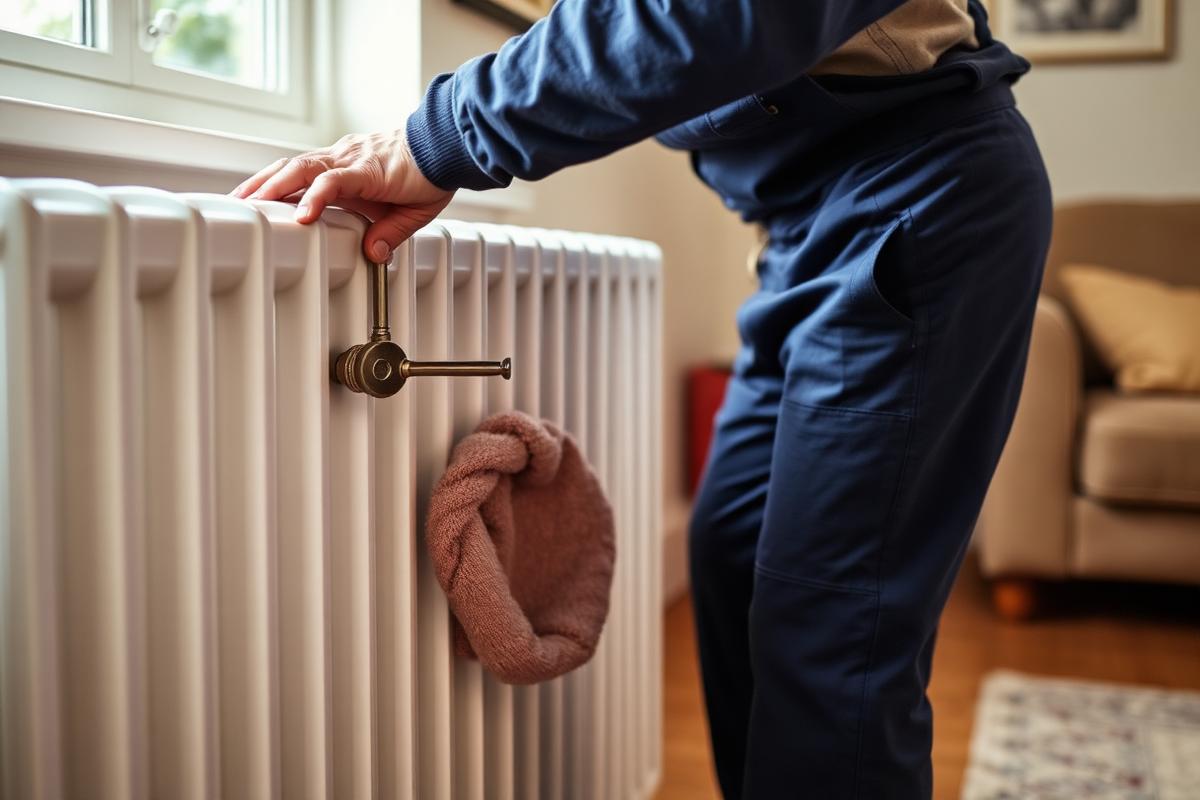
Cold at the top means air, bleed it. Cold at the bottom means magnetite sludge: iron oxide that settles in the bottom of radiators and restricts flow. Left alone it blocks heat exchangers, seizes pumps and jams valves.
Symptoms of a sludged system
- Radiators warm at the top, cold across the bottom
- Some radiators never get hot at all
- Noisy boiler, kettling or banging
- Dirty black water when you bleed a radiator
- Heating slow to warm the house
What a powerflush involves
We connect a high-flow, low-pressure pumping unit to the system, add a chemical cleanser and agitate each radiator in turn, reversing the flow to lift debris. A magnetic filter on the unit catches the sludge. A typical eight-radiator house takes most of a day.
We finish by dosing the system with inhibitor and fitting a permanent magnetic filter, the single best value upgrade you can make to a heating system.
Is it always necessary?
No. On a lightly contaminated system a chemical clean and filter is often enough, and we will tell you so. We only recommend a full powerflush when the system genuinely needs it, normally before a new boiler goes on an existing pipework system, where manufacturers require it to validate the warranty.